
August 2026 - Jory Brigham Design INC

Woodworking Classes for Intermediate Builders: How Our Curriculum Actually Works

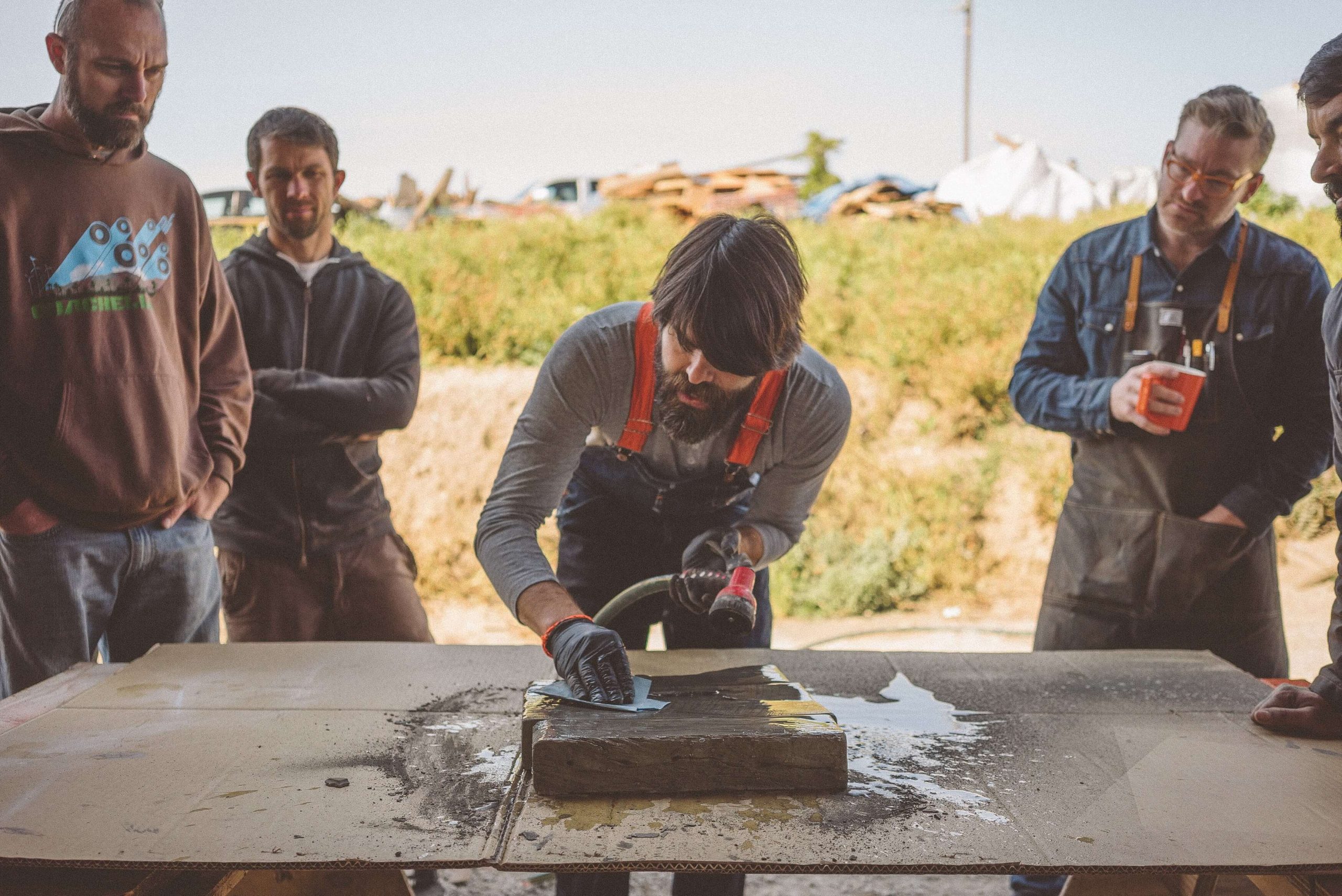
gallery img5 scaled

Not every woodworking course is built the same way, and our Woodworking classes for intermediate builders in particular require a different curriculum structure than a beginner program. This guide breaks down how we structure our intermediate-level woodworking workshop classes, from prerequisites through final project scope.

Prerequisites We Expect for Intermediate Courses

We expect students in our intermediate programs to already be comfortable with basic joinery, general shop safety, and to have completed at least a few independent projects on their own. This baseline lets us move directly into more advanced technique rather than spending class time re-covering fundamentals that our beginner courses already address.

Having this foundation allows our instructors to focus on high-level artistic concepts like negative space, sculptural shaping, and organic movement. You should feel confident operating standard machinery so you can transition seamlessly to specialized equipment like Festool Domino systems and industrial bandsaws. We skip elementary lectures to maximize your hands-on bench time from the moment you step into the shop on Friday morning. By establishing this clear threshold, we protect the momentum of the entire group and ensure every student gets the deep, tailored mentorship needed to elevate their craft.

How Our Curriculum Pacing Shifts at the Intermediate Level

We move our woodworking classes for intermediate builders noticeably faster than our beginner courses, since we assume foundational skills rather than teach them from scratch. That faster pace lets us dedicate more class time to nuanced technique, things like grain matching, more precise hand-cut joinery, and design decisions that balance structural integrity with visual appeal.

Kinds of Joinery We Introduce at This Stage

We introduce more demanding joinery methods in our intermediate woodworking workshop classes, such as sliding dovetails, curved lamination, or more refined mortise and tenon variations, building on the basic joints we cover in our beginner courses. These techniques require more precision and practice, which is why we dedicate significant class time to hands-on repetition under direct supervision.

How Our Project Selection Differs From Beginner Courses

Rather than a straightforward box or shelf project typical of beginner instruction, we move intermediate courses into furniture forms like dining chairs, sculptural side tables, or case pieces involving curved or non-standard elements. We choose these projects specifically because they demand the more advanced skills the course is built to teach, rather than simply repeating what a beginner class already covers.

The Role Instructor Collaboration Plays in Our Intermediate Classes

We build in more collaboration at this level, since intermediate students often bring their own design ideas into the course rather than working entirely from a fixed template. Our role shifts somewhat from pure instruction toward guided problem-solving, helping students refine their own design decisions while we ensure the piece remains structurally sound and achievable within the weekend timeframe.

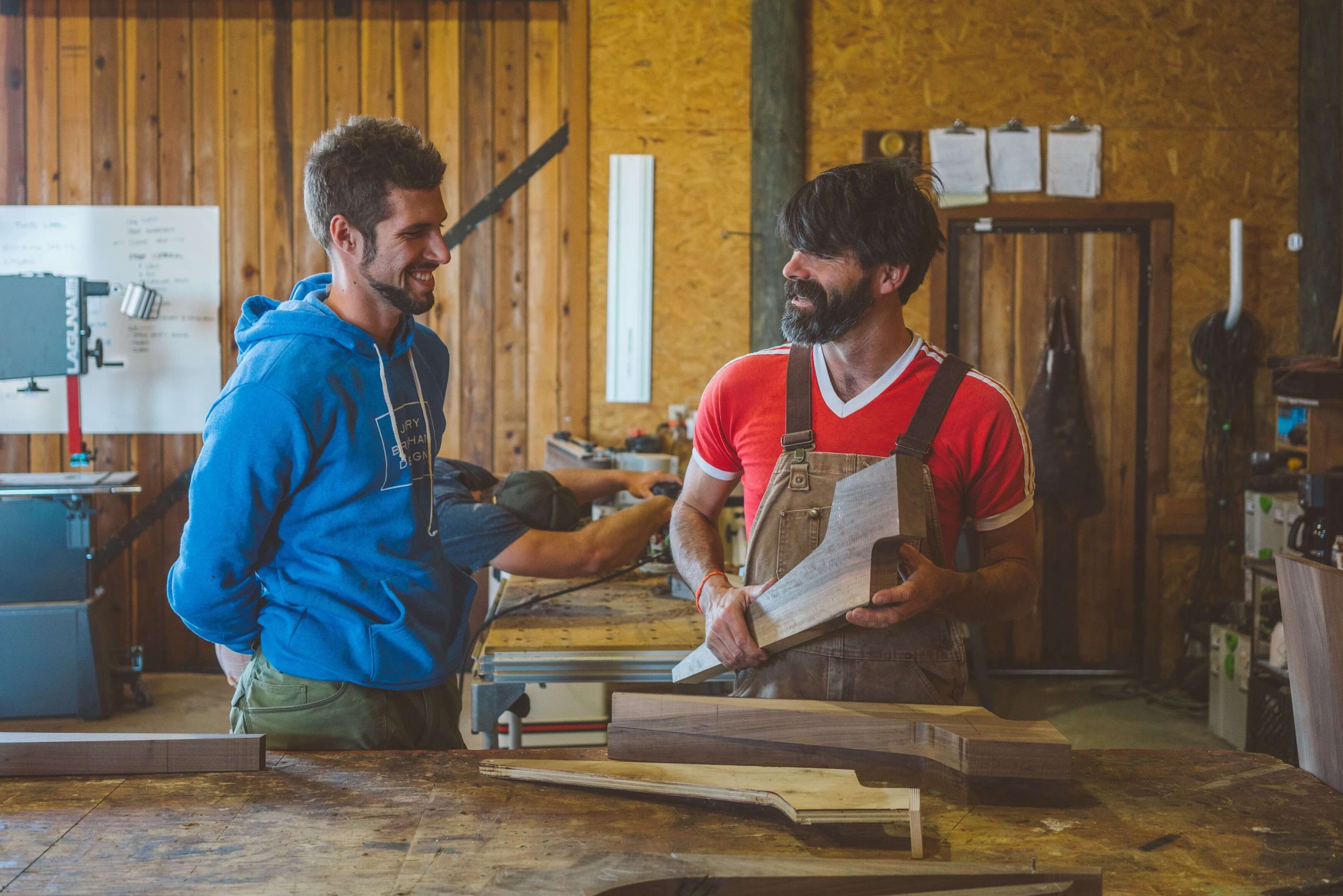
Rather than dictating every single cut, Jory works alongside you as a peer at the bench, drawing on three generations of shop experience to elevate your original vision. We help you evaluate organic curves, test visual proportions, and navigate tricky grain orientations without sacrificing the integrity of the timber. This collaborative dynamic transforms complex design challenges into shared learning moments, giving you the confidence to push past standard 90-degree boxes and embrace true sculptural furniture making.

Conclusion: Structuring a Course Around Real Skill Growth

We believe a well-built intermediate curriculum does more than teach a new technique, it stretches a student’s existing skill set through more demanding joinery, faster pacing, and greater design collaboration. We built our intermediate-level courses specifically around this kind of skill progression, and we now offer on-property lodging so returning students can settle in close to the shop for the full weekend. Anyone considering an intermediate course can review our course details page for specifics on individual project offerings, or reach out through our contact page with questions about fit.

Our what you’ll learn page also outlines the range of skills we cover across our full course lineup, from beginner through intermediate levels.

Students curious about past intermediate projects can browse our gallery for examples of more advanced furniture builds completed in previous courses.

Frequently Asked Questions

  1. How do students know if they are ready for an intermediate-level course?
    Comfort with basic joinery, shop safety, and having completed at least one independent project are generally strong indicators of readiness we look for.
  1. Are your intermediate courses smaller than beginner classes?
    We keep class sizes small across all skill levels, prioritizing direct instructor access regardless of course difficulty.
  1. Can students request a specific joinery technique to focus on?
    In many cases yes, particularly when discussed with us ahead of the course, though final scope depends on the weekend timeframe.
  1. Do intermediate courses run longer than beginner courses?
    Most follow the same Friday through half-day Sunday structure, though some of our larger intermediate projects may extend slightly.
  1. Do you verify prior experience before enrollment?
    Our course descriptions outline expected prerequisites, and we encourage students to reach out directly if unsure whether a course fits their current skill level.

 

Woodworking Workshop California: What Actually Happens Over the Weekend?

Intermediate Furniture Workshops

Signing up for a woodworking workshop in California sounds simple until you start wondering what the weekend actually involves hour by hour. This guide walks through the full structure of our hands-on course, what our custom furniture workshops California programs typically cover, and what students can expect from arrival to departure.

How Our Typical Weekend Course Begins

We open most courses Friday morning with introductions, a shop safety overview, and a walkthrough of the specific project or design direction for the weekend. This first block sets expectations for the pace and structure of the following two and a half days, and it gives our students a chance to ask questions before tools come out.

Setting this initial baseline allows us to transition smoothly from basic orientation into high-level sculptural design. Except for our specialized Hollister session, which follows a separate schedule, every class utilizes this opening session to align intermediate woodworkers with our core shop flow. We grab fresh coffee, review grain selection strategies, and examine how industrial machinery like Laguna bandsaws and Festool systems accelerate your build. By establishing a shared vision early, we ensure you spend maximum time at the bench shaping raw timber, developing your signature style, and building artistic confidence.

What the Design Phase of a Custom Build Looks Like

We spend real time on design before construction begins in our custom furniture workshops in California. For the same reason, we discuss proportion, joinery choices, and how the piece will actually function in a home. Rather than handing students a fixed template, we focus this stage on helping each student make informed decisions about their specific piece, within the constraints of what is achievable in a weekend.

How Much of the Weekend We Spend on Actual Construction

We dedicate the bulk of Saturday, and often part of Friday afternoon, to joinery and assembly, the technical core of the build. This is where our hands-on instruction matters most, since real-time correction during joinery work prevents small mistakes from becoming structural issues later in the piece. We guide students through cutting, fitting, and assembling their project directly throughout this phase.

When Finishing Happens, and Why Timing Matters

We schedule finishing toward the end of the weekend, once assembly is complete, since applying a finish to unfinished joinery risks trapping glue residue or dust beneath the surface. We walk students through how different finishes interact with the specific wood species used in their project at this stage, not simply apply a final coat without explanation.

What Happens on the Final Day Before Departure

We use the half-day Sunday to cover final finishing touches, any last assembly details, and preparing the piece for either transport or shipping. We ship finished pieces white glove rather than building a crate, so students traveling by air can leave with peace of mind that their piece will arrive safely without needing to manage freight logistics themselves. We also make time for final questions and discuss how students can continue developing their skills once back in their own shop, since we build the weekend to lay a foundation rather than end the learning process entirely.

Conclusion: Bringing the Full Weekend Together

We believe a woodworking workshop in California should run the right way. This in turn moves students through design, construction, and finishing as one connected process rather than isolated lessons. It then gives them both a finished piece and a real understanding of how it came together. We structure our Friday through half-day Sunday courses in Paso Robles around exactly this kind of full-process instruction, and we now offer on-property lodging for students who want to stay close to the shop for the full weekend. Anyone curious about what a specific course involves can review our course details page or reach out through our contact page with questions.

For a closer look at the specific skills we cover across different courses, our what you’ll learn page breaks down the curriculum in more detail.

Those wanting a visual sense of past student projects can also browse our gallery for examples of completed custom furniture pieces.

Frequently Asked Questions

  1. How many hours a day does a typical workshop run?
    We run a full working schedule most days with breaks for meals, though exact hours vary depending on the specific project and course.
  1. Is the design phase collaborative, or do you dictate the piece?
    We keep design collaborative, with students contributing to key decisions within the guidance and constraints we set as instructors.
  1. Do all your courses include finishing instruction?
    Yes, we treat finishing as a core part of the curriculum rather than an optional add-on.
  1. Can students bring their own design idea into the weekend?
    In many cases yes, particularly for students with a specific direction in mind, though we recommend confirming with us beforehand.
  1. What happens if a student does not finish their project by Sunday?
    We design our course structure to complete a project within the weekend timeframe, and we offer white-glove shipping if any final touches are needed after the fact.


  • chat
  • Lets make something amazing together