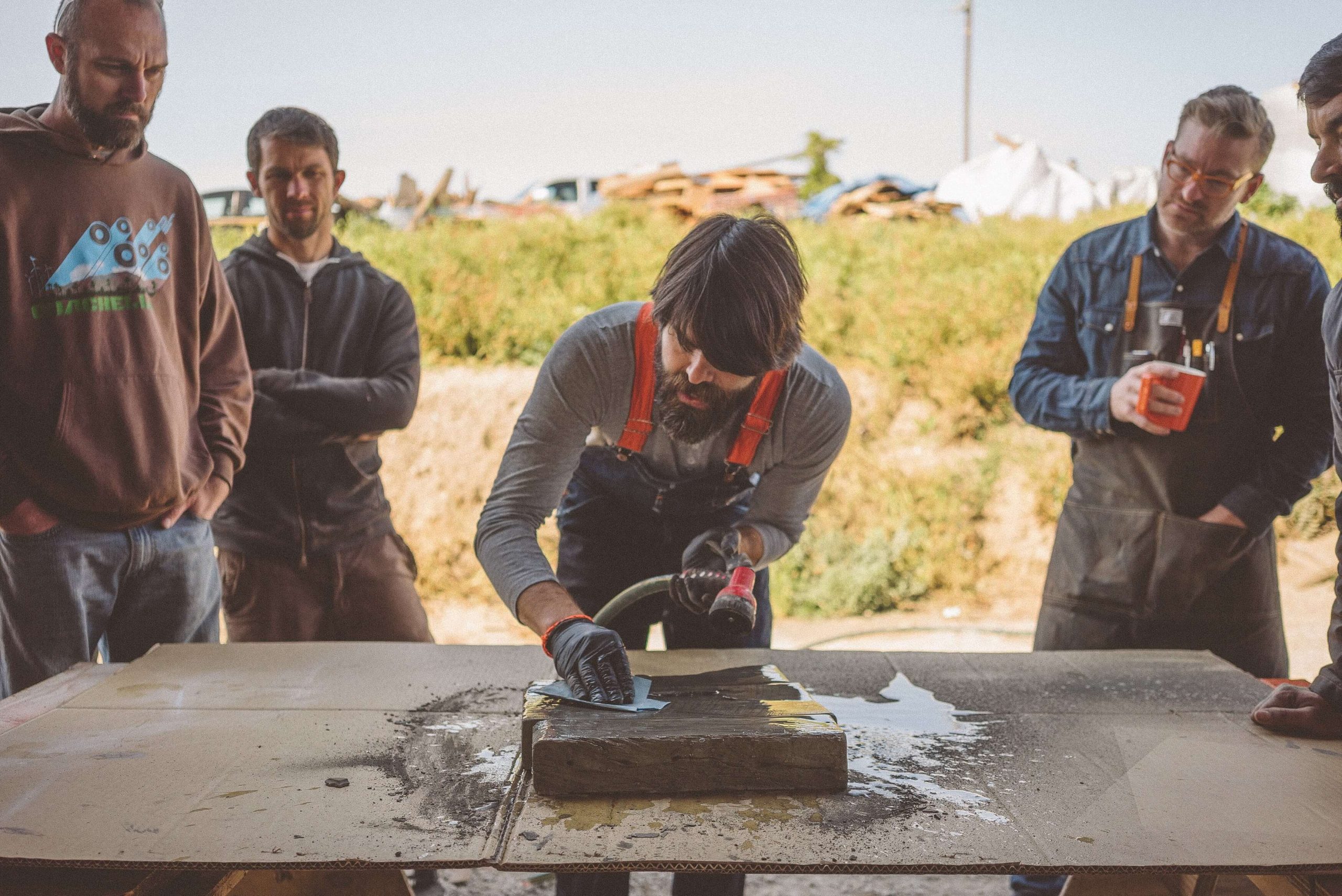
Most people who’ve been woodworking for a while have a pretty clear sense of what they don’t want in a class. They don’t want to sit through a lecture. They don’t want to share tools with 20 other people. They don’t want a certificate at the end of a weekend that doesn’t reflect anything they actually learned. What they want is simple: a real workshop, real instruction, and something tangible to take home. That’s exactly what a properly structured woodworkers workshop in California delivers — and the difference between that and a hobbyist event is significant.
A good workshop doesn’t just transfer knowledge — it changes how you approach your own builds going forward. The benchmark isn’t whether you had a good time (though that matters). It’s whether you left with something you couldn’t do before. Practically speaking, that means the instruction needs to be specific, the builds need to be real, and the environment needs to be small enough for genuine feedback.
According to the Wood Products Council, interest in hands-on woodworking education has increased considerably over the past several years, driven by a broader cultural shift toward making and craft. That demand has created a wide range of programs, but quality varies substantially. The workshops that consistently produce real skill development tend to share a few traits: low student-to-instructor ratios, project-based curriculum, and instructors who are active practitioners rather than full-time teachers.
This is worth being honest about. Most serious woodworking workshops aren’t designed for complete beginners. They’re designed for people who already have some experience and want to push it further. The typical participant at Jory Brigham Design Workshop has been woodworking for at least a year or two, understands how to safely operate basic power tools, and has some familiarity with joinery concepts. They’re not experts, but they’re not starting from zero either.
A few courses at Jory Brigham — the stool and end table, for instance — are more accessible to people with minimal experience. But the majority of the curriculum, including the Hank Chair and the Cousin Eddie Bench, explicitly requires intermediate-level skill. If you’re at that stage — curious, experienced enough to know what you don’t know, and looking for structured advancement — this is well suited to where you are.
The course catalog at Jory Brigham Design Workshop is worth reviewing in detail. The builds range from a black walnut stool and end table (a solid starting point) to the Hollister credenza, which is a four-day course and one of the more ambitious weekend builds available anywhere in California.
The Emerson sofa is another notable one — a multi-day build that covers upholstered seating construction at a level of detail most woodworkers never encounter. These are furniture pieces in the truest sense: designed, built, finished, and shipped home. They’re not samples or practice joints. They’re the real thing.
A wood workers workshop worth attending teaches technique in a way that transfers. The Festool Domino, for example, is a joinery tool that a lot of intermediate woodworkers have heard of but never used. The sessions at Jory Brigham give participants hands-on time with it in the context of a real build — not a demonstration, but actual use under guidance. Learn more about what’s covered in each course here.
Template and router work is another skill that comes up across multiple courses. Templates are one of those techniques that feel like a small thing until you use them — at which point they change how you design everything. Clamping and glue-up sequencing, finishing, and in the TIG welding bench course, metalworking with an expert Cleveland welder are all part of the curriculum depending on which session you choose.
The workshop also uses tools from brand partners including Festool, SawStop, Bessey, and Woodcraft — all equipment you’d want to know how to use in a serious shop setting.
Jory Brigham isn’t a full-time teacher who also makes furniture on the side. He’s a designer and builder — his work is owned by clients from New York to New Zealand — who also teaches because he believes in how it opens doors for other craftspeople. That distinction matters. The instruction comes from someone actively engaged in the same work, not removed from it.
The workshop islocated in Paso Robles, California, in the hills overlooking the Central Coast. It’s a setting that works on multiple levels: the physical environment is beautiful, lodging is available on the property and nearby, and the Friday barbecue has become part of the tradition. Classes are capped at eight participants (six for some courses) with three instructors, making it one of the better-staffed small workshops in the state.
If you’re thinking about booking, check the course scheduleand contact the teamearly — several dates sell out well before the session runs.