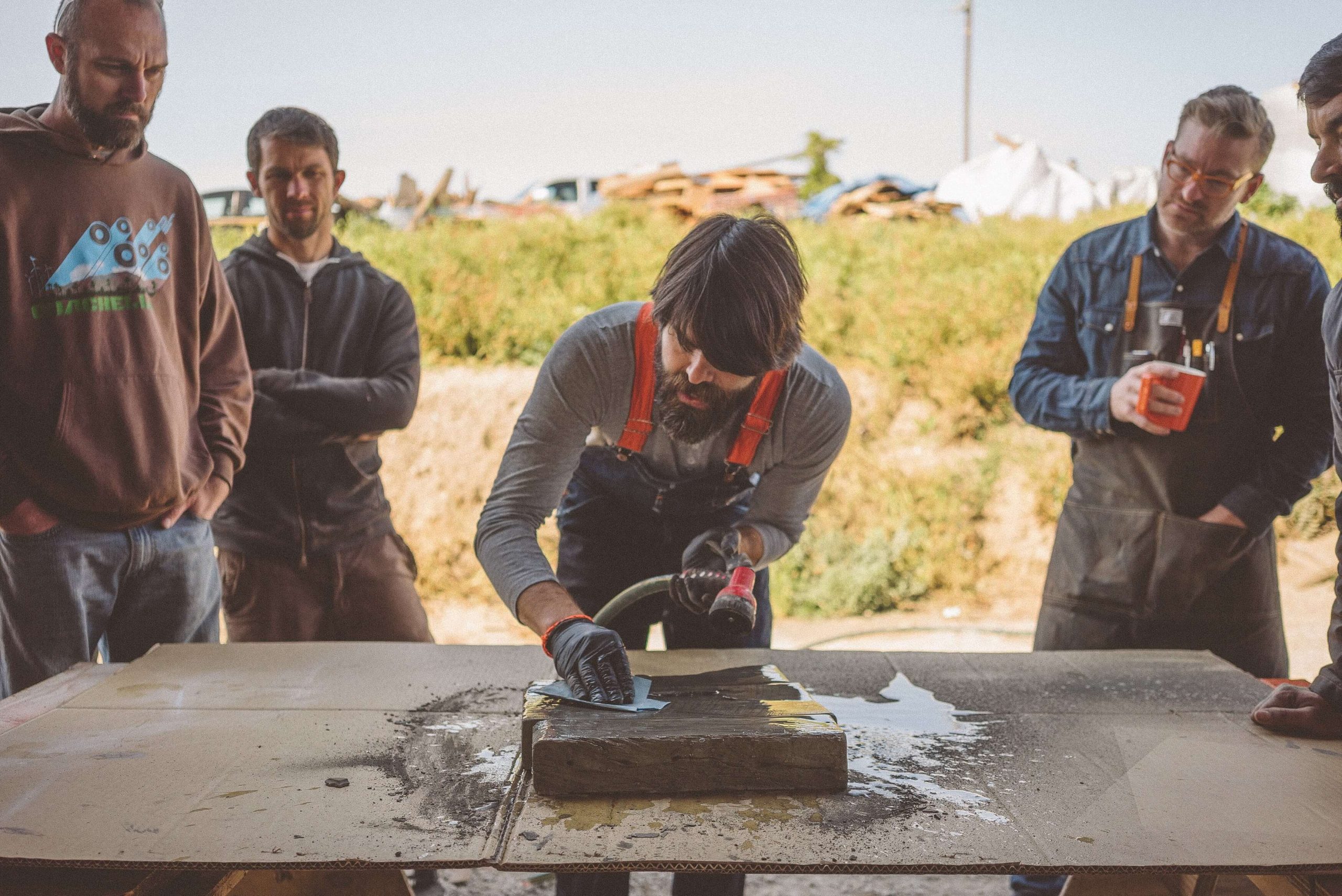
Not every woodworking course is built the same way, and our Woodworking classes for intermediate builders in particular require a different curriculum structure than a beginner program. This guide breaks down how we structure our intermediate-level woodworking workshop classes, from prerequisites through final project scope.
We expect students in our intermediate programs to already be comfortable with basic joinery, general shop safety, and to have completed at least a few independent projects on their own. This baseline lets us move directly into more advanced technique rather than spending class time re-covering fundamentals that our beginner courses already address.
Having this foundation allows our instructors to focus on high-level artistic concepts like negative space, sculptural shaping, and organic movement. You should feel confident operating standard machinery so you can transition seamlessly to specialized equipment like Festool Domino systems and industrial bandsaws. We skip elementary lectures to maximize your hands-on bench time from the moment you step into the shop on Friday morning. By establishing this clear threshold, we protect the momentum of the entire group and ensure every student gets the deep, tailored mentorship needed to elevate their craft.
We move our woodworking classes for intermediate builders noticeably faster than our beginner courses, since we assume foundational skills rather than teach them from scratch. That faster pace lets us dedicate more class time to nuanced technique, things like grain matching, more precise hand-cut joinery, and design decisions that balance structural integrity with visual appeal.
We introduce more demanding joinery methods in our intermediate woodworking workshop classes, such as sliding dovetails, curved lamination, or more refined mortise and tenon variations, building on the basic joints we cover in our beginner courses. These techniques require more precision and practice, which is why we dedicate significant class time to hands-on repetition under direct supervision.
Rather than a straightforward box or shelf project typical of beginner instruction, we move intermediate courses into furniture forms like dining chairs, sculptural side tables, or case pieces involving curved or non-standard elements. We choose these projects specifically because they demand the more advanced skills the course is built to teach, rather than simply repeating what a beginner class already covers.
We build in more collaboration at this level, since intermediate students often bring their own design ideas into the course rather than working entirely from a fixed template. Our role shifts somewhat from pure instruction toward guided problem-solving, helping students refine their own design decisions while we ensure the piece remains structurally sound and achievable within the weekend timeframe.
Rather than dictating every single cut, Jory works alongside you as a peer at the bench, drawing on three generations of shop experience to elevate your original vision. We help you evaluate organic curves, test visual proportions, and navigate tricky grain orientations without sacrificing the integrity of the timber. This collaborative dynamic transforms complex design challenges into shared learning moments, giving you the confidence to push past standard 90-degree boxes and embrace true sculptural furniture making.
We believe a well-built intermediate curriculum does more than teach a new technique, it stretches a student’s existing skill set through more demanding joinery, faster pacing, and greater design collaboration. We built our intermediate-level courses specifically around this kind of skill progression, and we now offer on-property lodging so returning students can settle in close to the shop for the full weekend. Anyone considering an intermediate course can review our course details page for specifics on individual project offerings, or reach out through our contact page with questions about fit.
Our what you’ll learn page also outlines the range of skills we cover across our full course lineup, from beginner through intermediate levels.
Students curious about past intermediate projects can browse our gallery for examples of more advanced furniture builds completed in previous courses.